Spray foam removal in Teesside
Spray foam removal in Teesside costs £2,000 to £4,000 for a typical roof in 2026, including the timber condition report mortgage lenders ask for. If a sale or remortgage has stalled because of loft spray foam, removal with proper documentation is usually the fastest route back to a lendable house.
Why lenders hate it
Open-cell spray foam sold hard across Teesside in the 2010s has become a mortgage problem: most high-street lenders now refuse loans on foamed roofs because the foam hides timber condition, traps moisture against the felt, and can rot rafters invisibly. Sales collapse on it weekly. The painful truth: the foam was sold as adding value, and it does the opposite until it is gone.
What removal involves
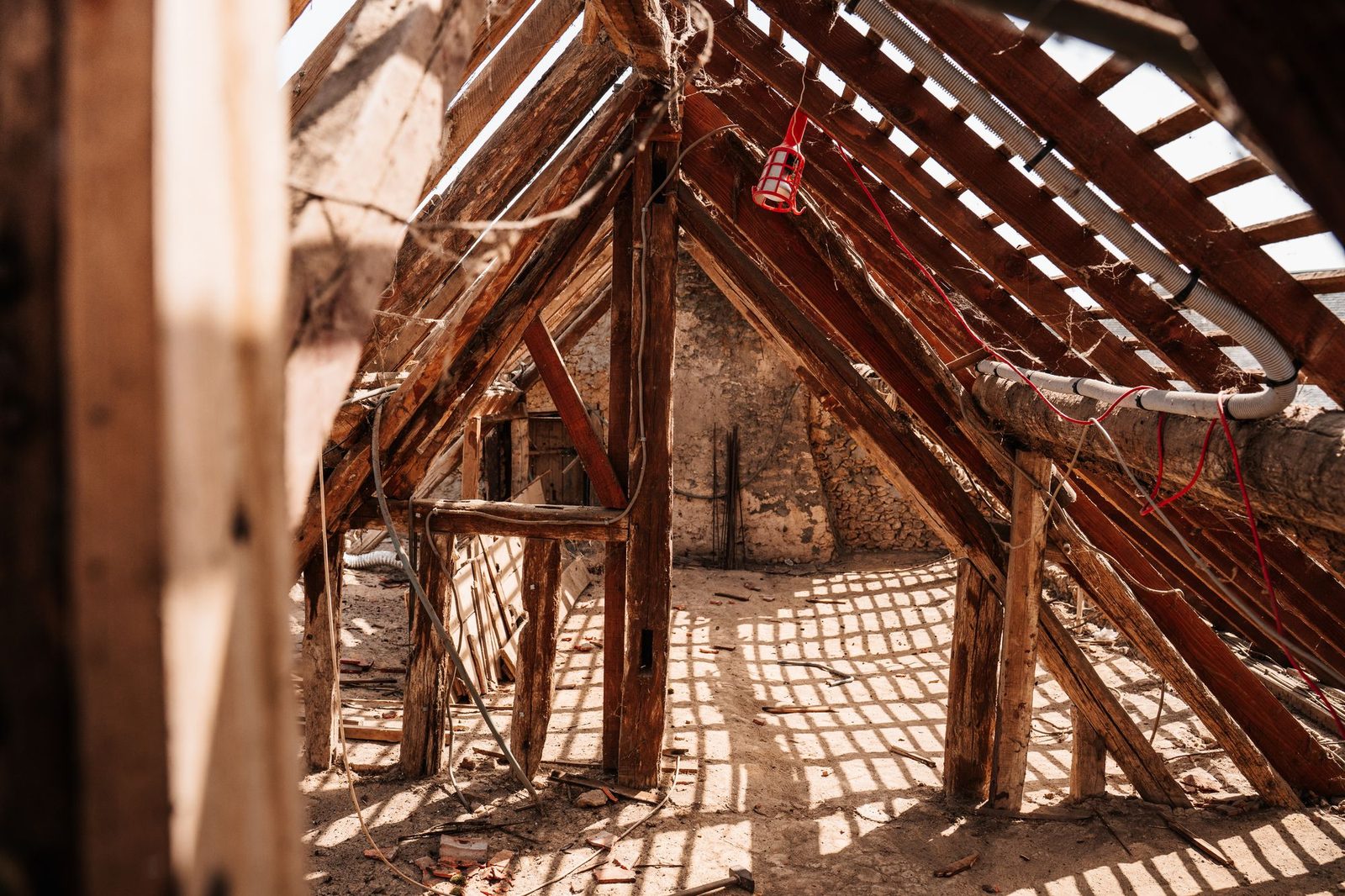
Manual removal, rafter by rafter: the foam is cut and scraped from the timbers and the underside of the felt or membrane, bagged and disposed of as waste. Two to four days for a typical roof. The timbers are then inspected, photographed and reported on: moisture readings, any decay identified, treatment where needed. That report is the document your buyer's lender wants to see.
What it costs and why
£2,000 to £4,000 depending on roof size, foam thickness and access. It is labour-intensive, slow work in a confined space, and the waste disposal is significant. Quotes should itemise removal, disposal, timber inspection and the written report separately. Beware cheap prices that skip the report: removal without documentation does not unblock the mortgage.
Afterwards: insulate properly
Once the foam is out, the loft usually goes back to conventional 270mm mineral wool at floor level (£400 to £800), which performs better, costs less, and no lender has ever objected to it. The spray foam mortgage guide walks the whole situation through.